
865-390-0644

Chilhowee Plumbing provides professional Pressure Regulator Valve (PRV) installation and repair services to protect your home's plumbing system from high water pressure, keeping your pressure within the safe and optimal range of 40 to 70 PSI. High municipal water pressure from municipal mainlines can quietly destroy your fixtures, cause premature pipe leaks, and shorten the lifespan of your appliances. If your incoming city pressure is spiking up to 120 or 160 PSI, your plumbing system is at immediate risk for pinhole leaks or burst lines.
What is a Pressure Regulator Valve?
A pressure regulator valve (also known as a pressure reducing valve) is a specialized safety device installed on your main water line. It automatically slows down the rush of high-pressure water entering your property from the municipal supply. Inside the valve, a spring-loaded diaphragm automatically responds to pressure shifts, ensuring that regardless of how high the street pressure spikes, the water flowing through your home's fixtures remains at a stable, safe volume.
Signs Your Water Pressure Regulator Is Failing
Most high-quality residential regulators have a life expectancy of 10 to 15 years. When the internal diaphragm or spring wears down, you may notice distinct warning signs throughout your home:
-
High or fluctuating water pressure: Showers feel aggressive, or faucets splash violently when turned on.
-
Banging or vibrating pipes: Also known as water hammer, this sound often occurs immediately after you turn off a tap.
-
Constantly running toilets: Excessive pressure overrides the fill valve inside your toilet tanks.
-
Leaking faucets or appliances: Water heaters and washing machines will begin leaking from their relief valves or connections due to high stress.
-
A sudden drop in pressure during use: If your static pressure drops significantly when a single faucet runs, your old valve may be heavily restricted and failing.
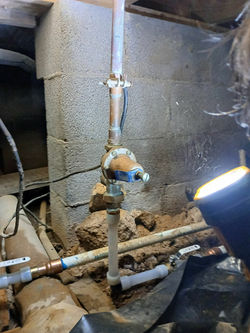
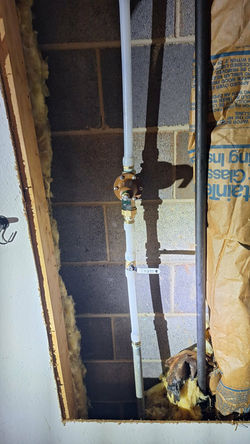
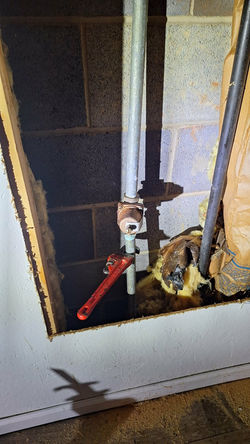
Water Pressure Regulator Valves (PRV) in Maryville & Blount County
 |  |
|---|---|
 |  |
 |  |
